
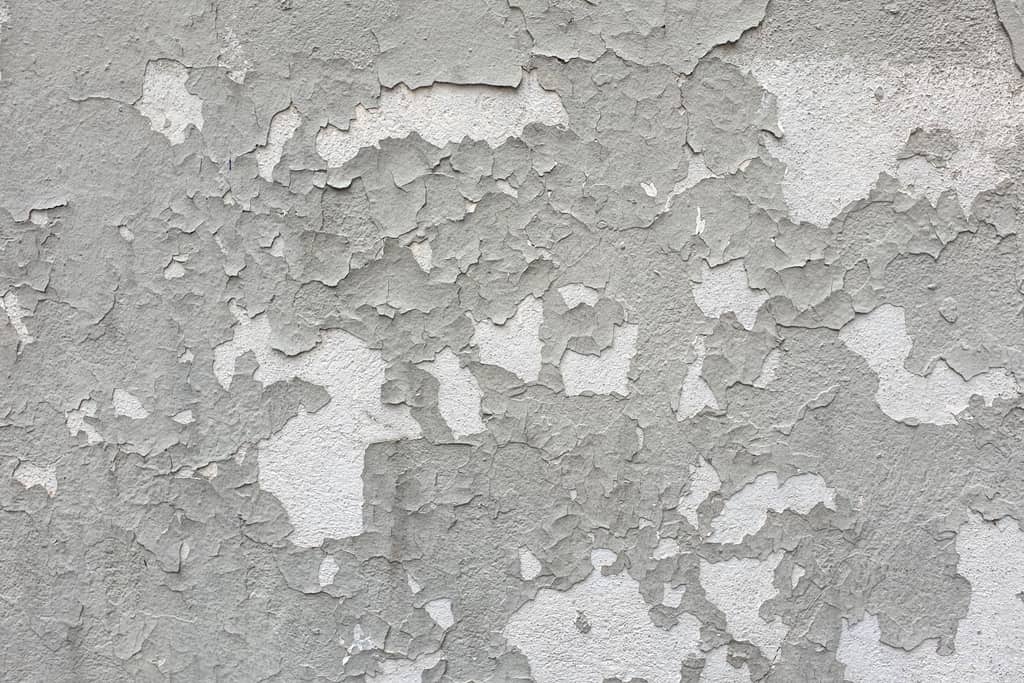
Photo by Krakograff Textures on Pexels.
Black spots in the corner of a bedroom ceiling, a brown tide mark above the skirting, paint that blisters every winter: damp is one of the most common reasons Londoners call a decorator. It is also one of the easiest jobs to do badly while looking as though it has been done well. Government guidance on damp and mould in the home, published by the Office for Health Improvement and Disparities and updated in April 2026, says estimates of homes with damp and mould in England range from 4% to 27%, or roughly 962,000 to 6.5 million households. It is equally clear about the fix: simply removing surface mould will not prevent the damp and mould from coming back. Damp and mould can affect the airways and lungs. Children, older people and anyone with a lung or immune condition are more at risk. If you're worried about symptoms, speak to a GP.
A decorator can do excellent work on a damp wall and still waste your money if nobody has dealt with the cause. This guide explains what has to happen before painting, what anti-mould paint can and cannot do, how long repaired plaster needs, and the warning signs of a cover-up. It sits alongside our guides on lead paint and period woodwork and painting the outside of a London house.
First, work out which kind of damp you have
The government guidance describes four main types of damp, and each needs a different fix:
- Condensation is the most common. Moist air from cooking, washing and drying clothes settles on cold surfaces, typically corners, window reveals and behind furniture on outside walls.
- Penetrating damp is water getting in from outside, through failed gutters and downpipes, cracked render, poor pointing or failed window seals.
- Rising damp is moisture drawn up from the ground. The guidance says it is often misdiagnosed and that chemical testing is the best way to confirm it.
- Traumatic damp comes from leaks: a bath seal, a radiator valve, or a flat upstairs.
On a painted wall these can look alike. All of them can cause staining, flaking paint, peeling wallpaper and crumbling plaster. That is exactly why a decorator who prices “two coats of stain block and emulsion” without asking any questions is guessing.
What should be checked before anyone paints
The guidance lists the checks it expects housing providers to make, and they work just as well for owners. Inside, look for peeling wallpaper, staining, defective plaster, high humidity, and extractor fans that are damaged, blocked or switched off. Outside, check gutters and downpipes, window seals, cracks in render, and anything bridging the damp-proof course, such as a raised flower bed or path. A mould smell with no visible mould can mean mould behind wallpaper or panelling, and the guidance warns that removing it can release spores.
Many London condensation problems come down to ventilation. Checkatrade’s extractor fan guide (updated April 2026) puts replacing an existing fan at about £175 to £225 and a new installation at about £250 to £350. The government guidance notes that installing ventilation or replacement windows is controlled work under the building regulations, so it should be done by someone who can certify it or notified to building control. If the cause is a leaking gutter or a defective window, the decorator is not the right first call, and an honest one will say so.
For suspected rising or penetrating damp, the guidance suggests using a qualified surveyor and lists relevant qualifications, including CSRT and CSSW. Be cautious of free “damp surveys” from firms whose only answer is the treatment they sell. That is the same logic as getting a quote from someone who will not profit from a particular diagnosis.
Treating mould: the bit that happens before decorating
The guidance prefers mould and mildew products to bleach for cleaning mould, says larger areas should be dealt with by qualified professionals, and advises protective equipment: a mask, gloves and goggles. Badly affected absorbent materials may need to be thrown away rather than cleaned. For housing providers it recommends going back at least six weeks after treatment to check whether the mould has returned. Owners can borrow that idea: if you can, wait and watch before you pay for a full redecoration of a room that has had a mould problem.
Anti-mould paint: a backstop, not a cure
Fungicidal paints are real products that do a real job. Dulux Trade’s technical data sheet for Mouldshield Fungicidal Matt (data sheet issued February 2014) says it contains a fungicide that inhibits the growth of mould inside buildings. Its limits are just as instructive. The matt version says that where frequent heavy condensation is likely, as in some kitchens and bathrooms, the eggshell version is more suitable. The eggshell data sheet in turn says that product is not suitable where there is heavy and prolonged condensation. Both say they should be applied by brush or roller only and not sprayed, for health and safety reasons, and the matt sheet starts with proper surface preparation.
In other words, the paint manufacturer is telling you the same thing as the government: control the moisture first. A decorator who promises that “special paint” will fix a wall that runs with water every morning is selling a repaint you will need again next winter.
Repaired plaster needs time to dry
Damp repairs often end with new plaster, and this is where rushed jobs fail. British Gypsum’s Thistle MultiFinish data sheet says to make sure the plaster is thoroughly dry before decorating, although a coat of permeable paint can be applied in the meantime. Crown Paints’ advice on painting new plaster suggests waiting a week or two for new finishing plaster to dry fully, says some specialist plasters such as lime can take up to a month, and recommends a diluted mist coat before the top coats. Lime matters in London, because many Victorian and Edwardian houses have lime plaster on solid walls. Sealing a wet or breathable wall under a tough, non-breathable finish can trap moisture and bring the problem straight back.
A sensible quote for a damp-damaged room therefore has gaps in it: treatment, repair, drying time, then decoration. If someone offers to hack off, re-plaster and paint a wall in the same two days, ask how the plaster will be dry.
In buildings built before 2000, old plaster, Artex and ceiling coatings can contain asbestos. Get it checked by a competent surveyor or contractor before removing anything.
Renting? The landlord has duties, and painting over is not enough
If you rent, the damp is usually not yours to fix. The government guidance says it is unreasonable for landlords to blame damp and mould on tenants’ “lifestyle”, and sets out landlords’ legal duties, including the Housing Health and Safety Rating System under the Housing Act 2004 and the Homes (Fitness for Human Habitation) Act 2018. For social housing tenants, Awaab’s Law now sets deadlines. Significant damp and mould hazards must be investigated within 10 working days and made safe within 5 working days of the investigation ending, a written summary must follow within 3 working days, and any further work must start as soon as possible, and within 12 weeks at the latest. The government is consulting until 18 December 2026 on extending Awaab’s Law to private rented tenancies. Keep photos and dated messages, and do not let a quick repaint be recorded as the repair.
What decorating should cost once the cause is fixed
Checkatrade’s painter and decorator price guide (updated June 2026) gives a UK day rate of about £250 to £350, averaging £300, and £10 to £20 per square metre of wall area for interior painting. Those are national averages, and London often costs more. A damp room costs more again because of the extra preparation, so compare quotes on what they include, not just the total. Our lead paint guide explains how to read a decorating quote line by line.
Red flags that suggest a cover-up job
- No questions about where the damp comes from, how the room is ventilated, or whether the patch comes and goes with the weather.
- Bleach and paint as the whole plan for a large area of mould.
- Wallpaper or lining paper hung straight over mould.
- Painting new or repaired plaster within days, with no mist coat and no mention of drying.
- “Damp-proof paint” offered as the answer to rising damp, with no survey.
- Pressure to book today, or a large cash payment before work starts.
A good decorator may tell you to call a roofer, a plumber or a ventilation installer first and come back later. That is not lost business. It is the kind of honesty that saves you paying twice. When the cause is sorted, see the areas of London covered or send a free enquiry. You can also browse the rest of our advice. Sources were checked on 30 October 2026.
Quick answers
Can I just paint over mould?
No. Government guidance says simply removing surface mould will not stop it returning. Find and fix the cause first, whether that is condensation, a leak or water getting in from outside, then clean the mould with a mould and mildew product, and only then prepare and paint.
Does anti-mould paint stop damp?
It inhibits mould growth on the paint surface, but it does not stop moisture. Dulux Trade’s own data sheets say its fungicidal eggshell is not suitable where there is heavy and prolonged condensation, so ventilation or repairs come first.
How long should new plaster dry before painting?
British Gypsum says finishing plaster should be thoroughly dry before decorating, and Crown Paints suggests a week or two for new finishing plaster, longer for lime. Use a diluted mist coat first, and be wary of anyone painting fresh plaster within days.